Learn proper form, cardiovascular benefits and habit-building techniques for jump rope exercise.
Rope skipping has quietly become one of the most effective full-body workouts available to anyone willing to commit a few minutes each day to the practice. Unlike elaborate gym routines that demand expensive memberships and hours of travel time, this simple piece of equipment fits inside a drawer and requires virtually no space to operate. The cardiovascular benefits alone make it worth considering, as sustained rope work elevates heart rate into the optimal training zone while simultaneously strengthening the calves, shoulders, core and forearms. Athletes across disciplines recognize this truth, which is why professional boxers, basketball players and distance runners all incorporate rope work into their training regimens regardless of their primary sport.
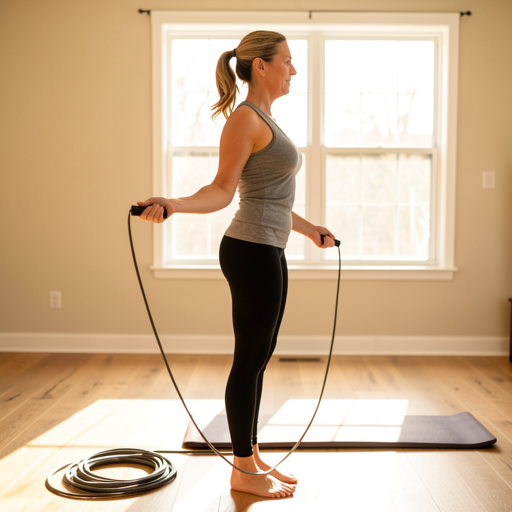
The learning curve for beginners can feel steep at first, especially when the rope catches on the floor or wraps awkwardly around the ankles. Proper form begins with adjusting the rope length so that the handles rest at approximately hip level when standing on the center of the cable. From there, the elbows stay pinned close to the sides while the wrists do all the work, creating small circular motions rather than wide arm swings. Starting with double-unders or basic two-foot bounce builds coordination progressively and most dedicated practitioners find that consistent daily practice yields noticeable improvement within three weeks.
🐋
The mental satisfaction of mastering each new jump pattern provides motivation that keeps people returning to the activity week after week. Beyond physical conditioning, the rhythmic nature of rope skipping offers genuine stress relief for people navigating demanding schedules and high-pressure environments. The repetitive motion induces a meditative state similar to walking or swimming, allowing the mind to decompress while the body continues expending calories. This dual benefit explains why schools and community centers have reintroduced jump rope programs targeting children who spend excessive time seated at desks or staring at screens.
🏔️
Young participants develop better balance, improved reaction times and enhanced spatial awareness alongside the obvious aerobic advantages that support growing bodies. The social dimension of group rope sessions further encourages camaraderie and mutual encouragement among participants who might otherwise struggle to maintain independent exercise habits. Transitioning to jump rope as a permanent fitness habit requires patience and realistic goal-setting rather than aggressive expectations of overnight transformation. Most experienced instructors recommend beginning with sessions lasting only ten to fifteen minutes before gradually extending duration as endurance improves over successive weeks.
🧠
Tracking progress through simple metrics such as consecutive jump count or total session time provides measurable evidence of improvement that sustains long-term commitment. The investment proves remarkably small compared to alternative fitness solutions, with a quality rope costing less than a single personal training session and requiring zero ongoing expenses expenses. Anyone seeking a sustainable, portable and genuinely effective workout solution would be hard-pressed to find a better starting point than this timeless exercise method.